

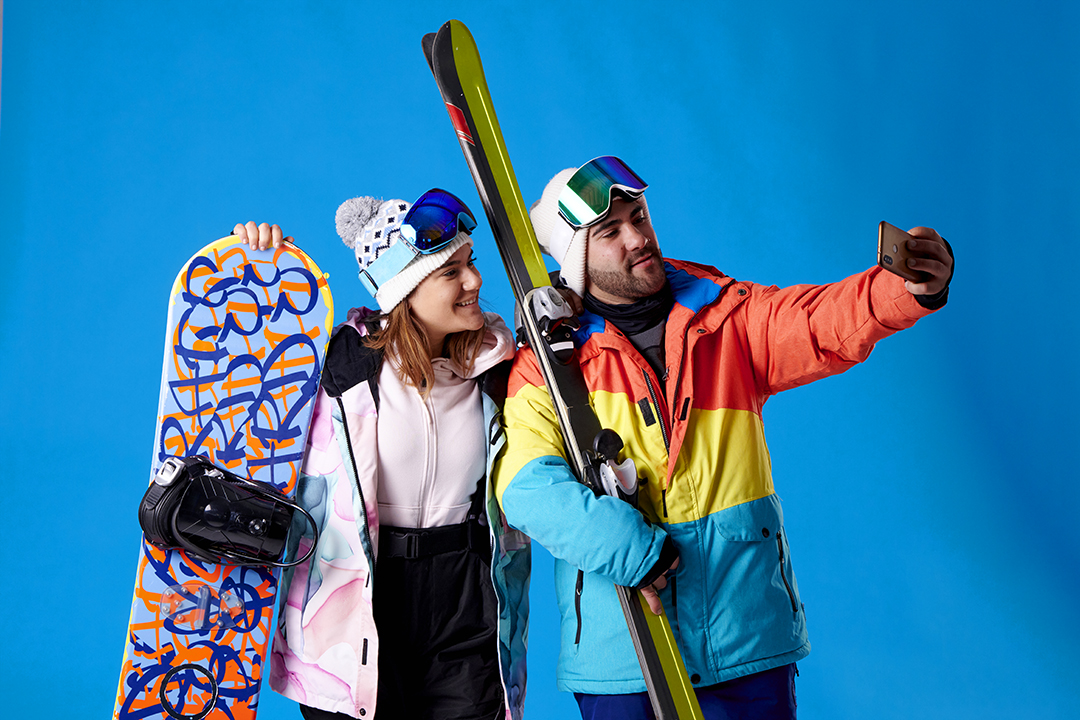
Skis vs. Snowboards
The rivalry between skiers and snowboarders is not merely a sports anecdote; it is a vivid example of a cultural clash that has defined the atmosphere of ski resorts for decades. This conflict, rooted in differences in style, history, and technique, has long been an inherent part of winter sports.
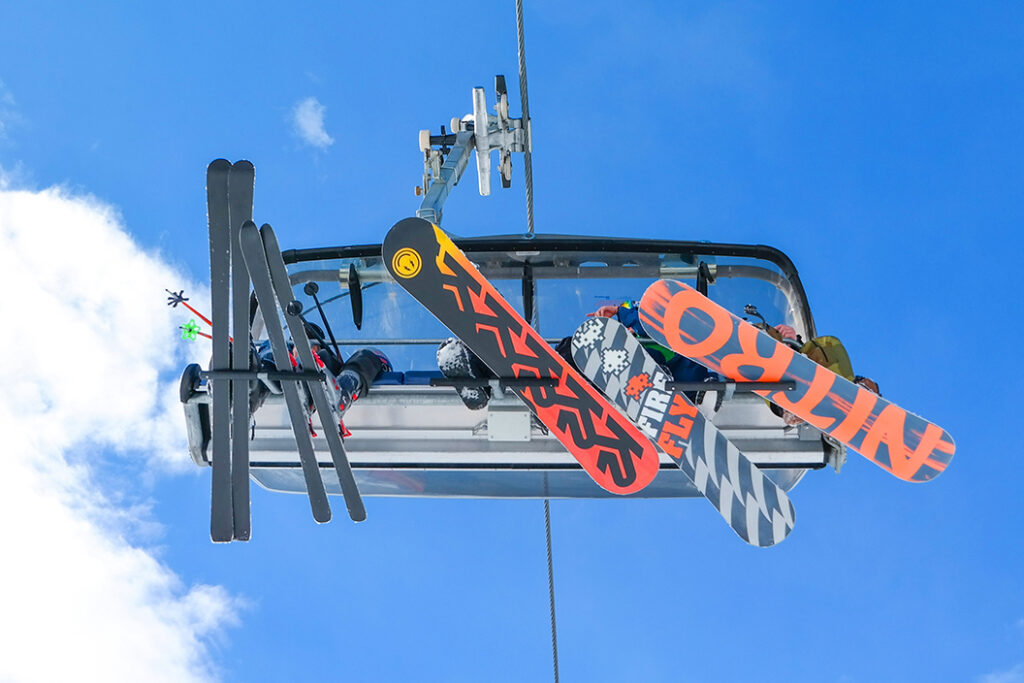
1. How It Began: Culture vs. Tradition (1980s)
Skiing is a sport with centuries of history, rooted in the European Alps and Scandinavian traditions. In the mid-20th century, skiing symbolized classic, structured, and often elitist winter recreation.
The situation changed in the 1980s with the emergence of snowboarding. This sport originated under the influence of skateboarding and surfing and brought a spirit of rebellion, freedom, and street culture to the snow-covered slopes. Many traditional ski resorts initially banned snowboarders from lifts and runs, viewing them as undisciplined and a safety hazard. This separation immediately created a cultural opposition: skiers were the “old guard,” and snowboarders were the “new generation”.
2. The Stereotypes: Two Lifestyles on the Slope
Despite the convergence of styles, historical clichés still live in the minds of mountain enthusiasts, dividing them by riding style and appearance:
- Skiers (The Skiers):
- Style: Often associated with speed, precision, and carving (clean, deep turns). Their “forward-facing” movement is considered more direct and controlled.
- Image: Traditionalists who prefer speed runs and riding on prepared snow. They are playfully nicknamed “Stick-Jockeys” due to their use of poles.
- Attire: Tend toward more technological and snug-fitting (or semi-snug) suits that emphasize speed.
- Snowboarders (The Riders):
- Style: Associated with freedom, tricks, and jumps. The “sideways” movement is borrowed from surfing.
- Image: Young, carefree, fans of snow parks and “powder” off-piste. They are often nicknamed “Sitters” due to the habit of sitting on the slope to strap in their bindings.
- Attire: Prefer baggy clothing and a style borrowed from street culture and hip-hop.
3. Technical Differences and Real Friction
Beyond cultural stereotypes, there are objective reasons for mutual annoyance on the slopes:
- Slope Congestion: Beginner snowboarders often sit in the middle of a run to strap in their bindings, creating dangerous bottlenecks for descending skiers.
- Snow Conditions: Skiers criticize snowboarders for creating bumps and unevenness on groomed runs due to their wider and faster turns.
- Lift Challenges: Snowboarders must unstrap one foot to use surface lifts (T-bars) or navigate flat sections, which often slows down overall movement.

4. Modern Reconciliation and Evolution
By the 2000s, the feud had largely subsided, turning into friendly banter. Snowboarding gained full institutional recognition as an Olympic sport, legitimizing its place in the global sports hierarchy. Furthermore, styles began to merge: a new school of skiers (New-School Skiing) emerged, adopting the tricks, jumps, and rail-riding styles from snowboarders. Wide skis for freeriding also brought the two groups closer in their love for deep powder.
Today, skiing and snowboarding coexist in harmony, jointly utilizing infrastructure and snow parks. The rivalry has become more of a symbolic nod to the past, a reminder of how the new generation transformed the traditional winter mountains, making them more dynamic, diverse, and inclusive.